GROW / HEALTHIER CULTIVATION
A more thoughtful
way to grow.
Healthy food begins with understanding soil, water, seasonality and the organisms that make growth possible.
 LIVING SYSTEMS / HEALTHICAL
01 / RESPONSIBLE FOOD
From soil to supper.
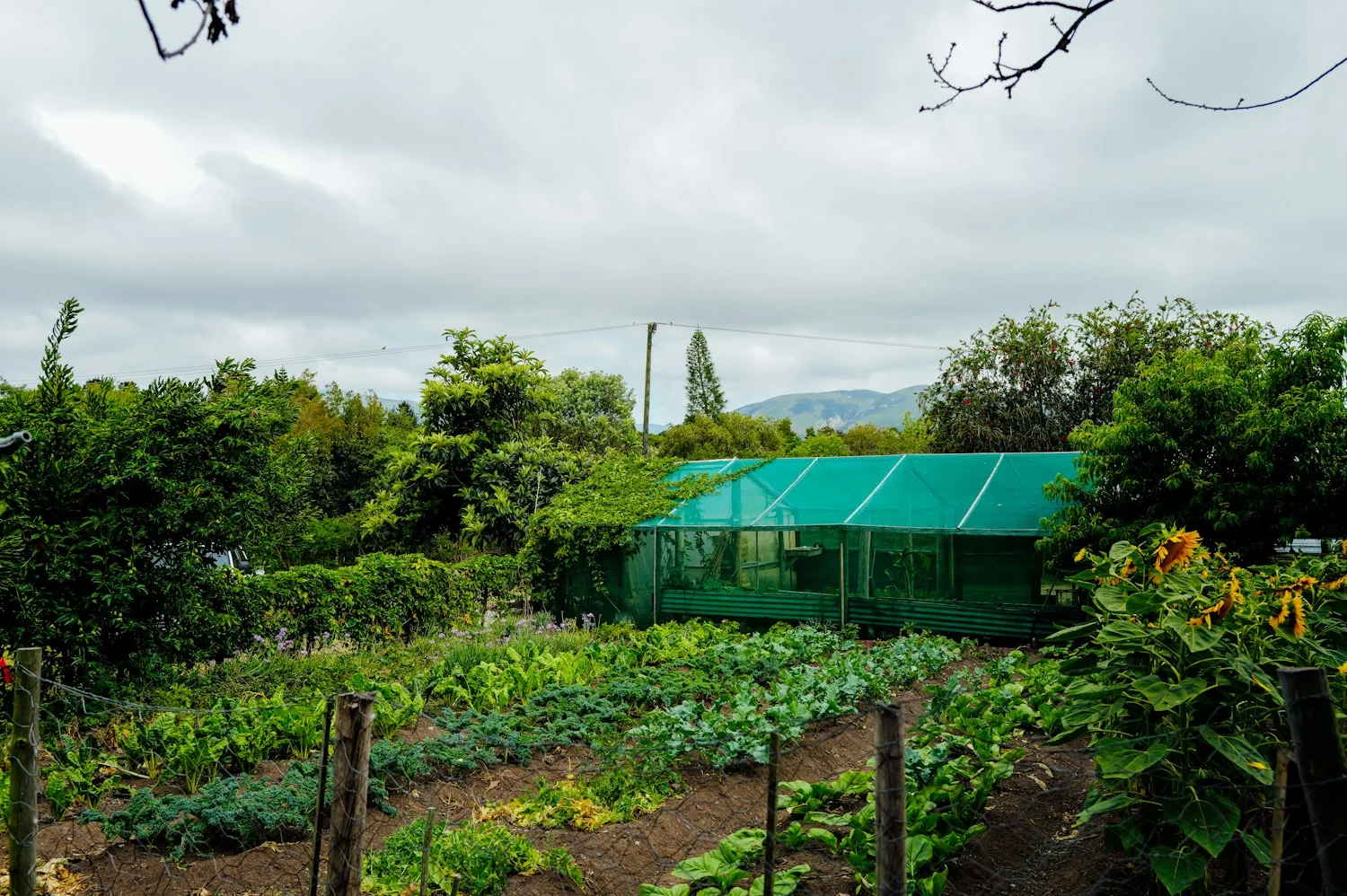
We want productive spaces that nourish people while respecting the ecological systems on which food production depends.
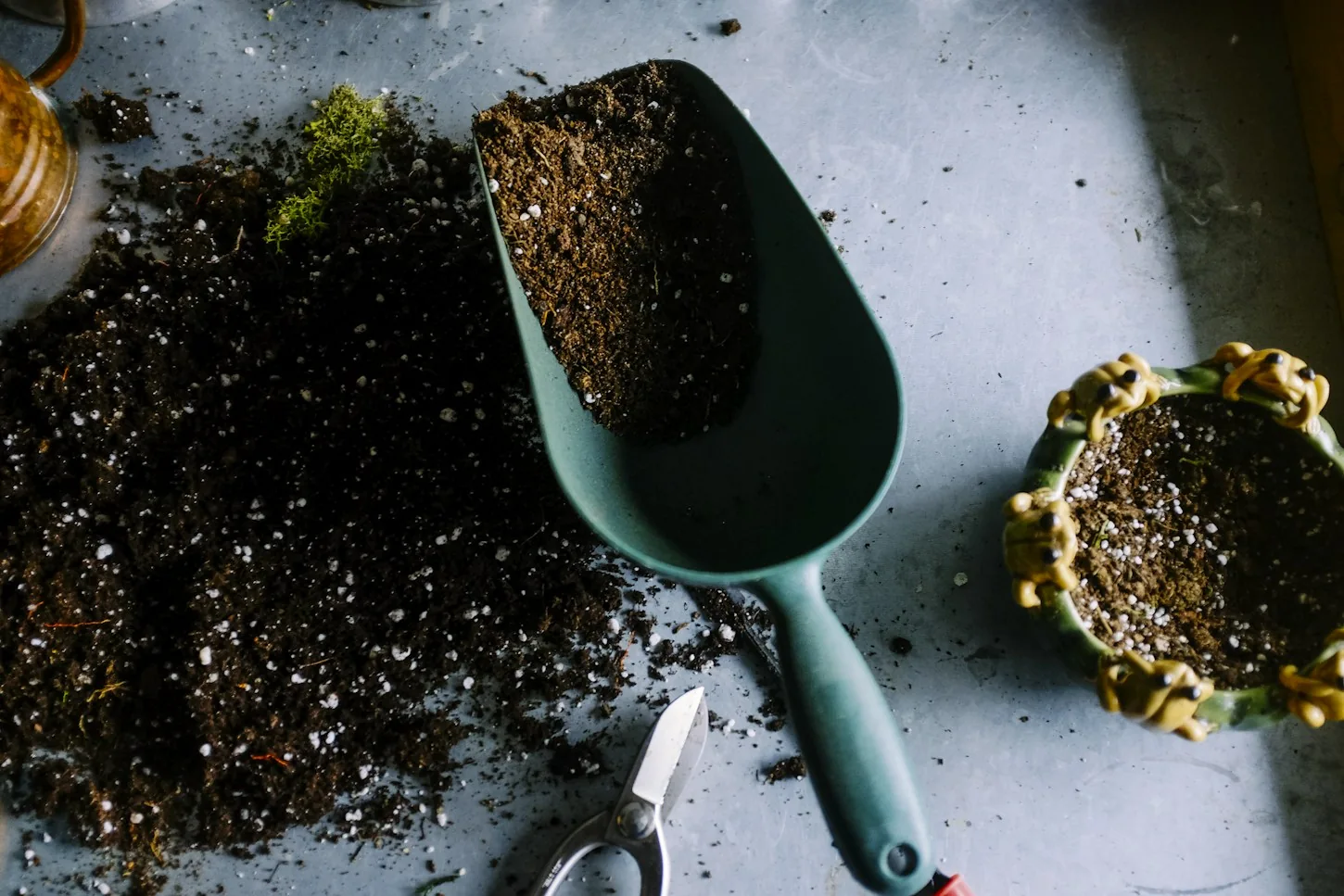
Build living soil
Compost appropriately, keep soil covered and encourage a diverse soil food web.
Explore
Grow with the seasons
Match crops to the climate and think carefully about the true cost of heating.
Explore
Explore aquaponics
Understand the microbial work behind water recirculation, plant nutrition and safe fish husbandry.
ExploreBIOLOGICAL ENGINEERING / LEARN THE SCIENCE
The invisible workforce
beneath the water.
In aquaponics, fish cannot simply feed plants directly. Microorganisms help transform nitrogen into forms plants can use. It takes careful monitoring to protect animals and maintain water quality.
Recirculation does not make the system closed. Harvests, evaporation, accumulated solids, water replacement and fish welfare all require management.
Read the complete aquaponics explainer ↗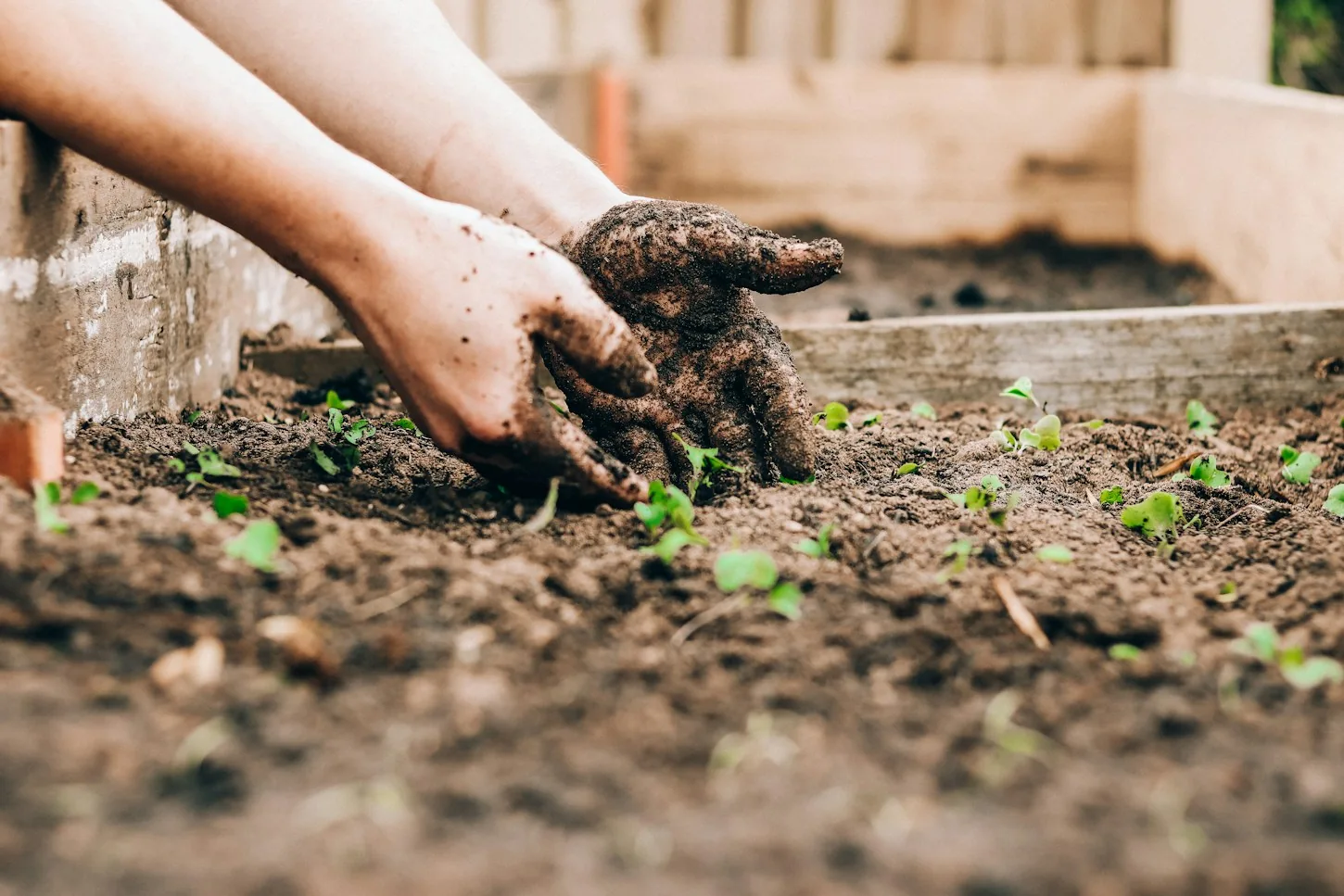
THE SOIL BENEATH US
Healthy food begins
beneath our feet.
Healthy soil is not simply dirt. It is a living structure of roots, microorganisms, organic matter and water. Better growing begins with understanding the system already there.
Explore living soil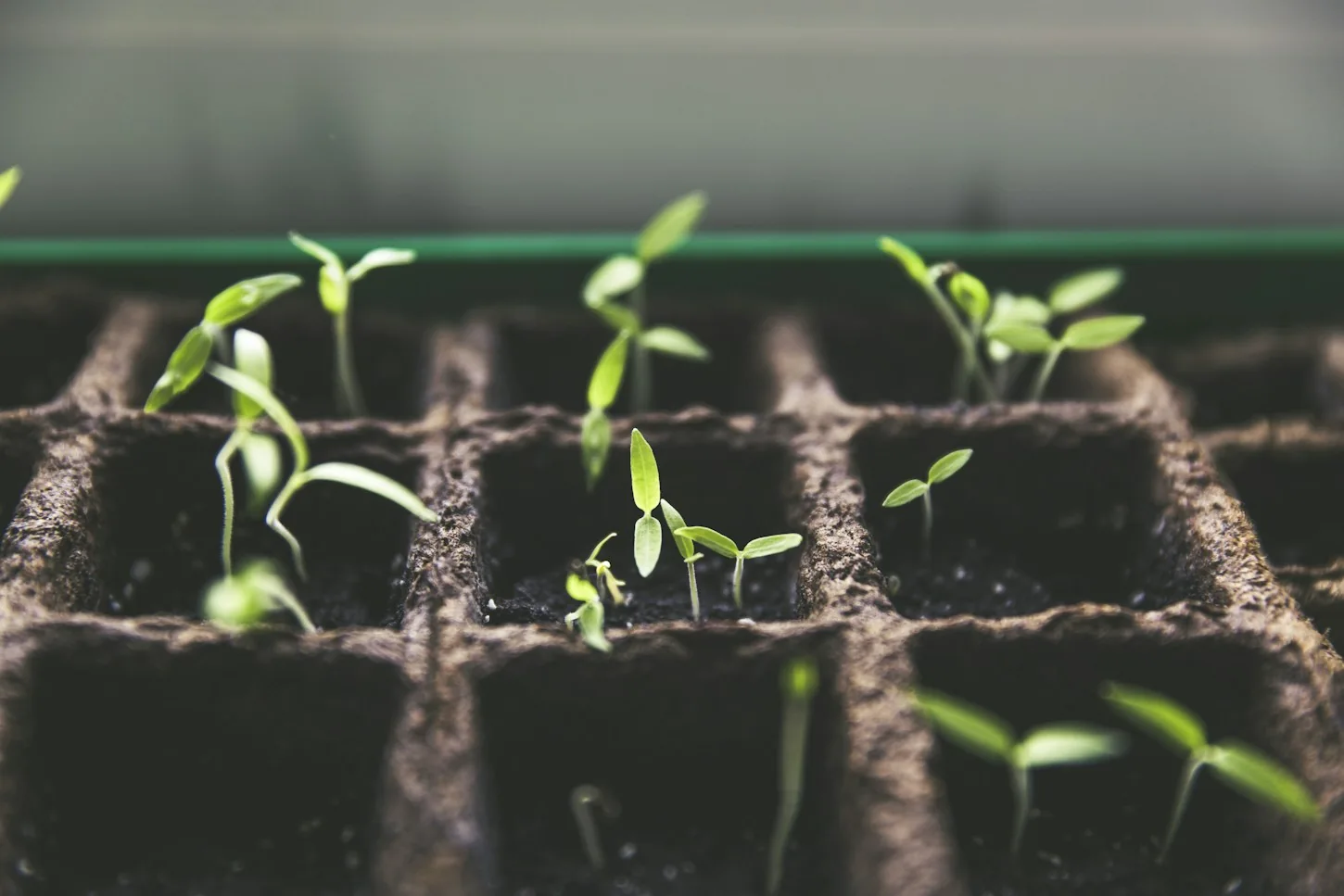
The regenerative
microfarm.
Our proposed microfarm would bring together outdoor growing, greenhouse trials, native propagation, compost, habitat restoration and careful monitoring in one teachable living landscape.
The microfarm is a programme vision; its activities are not presented as completed projects.
Explore the programme02 / GROWING RESPONSIBLY
What makes growing regenerative?
It is not a marketing label. The difference must be visible in ecological outcomes, and assessed against a baseline.
Observe the starting point
Understand your soil, existing plants, habitat and site constraints.
Choose the right methods
Match growing approaches to climate, available resources and food safety.
Return and measure
Review yield, water use, soil condition and ecological effects over time.
SMALL STEPS / REAL CARE
Every thriving system
starts somewhere.
Start with the space, time and resources you already have.