01 / ENERGY
Energy flows.
Solar gain and PV supply useful energy. Batteries shift when electricity is available; every conversion has losses.
Sunlight→PV / storage→Useful work + heat

TECHNOLOGY / RESPONSIBLE ENGINEERING
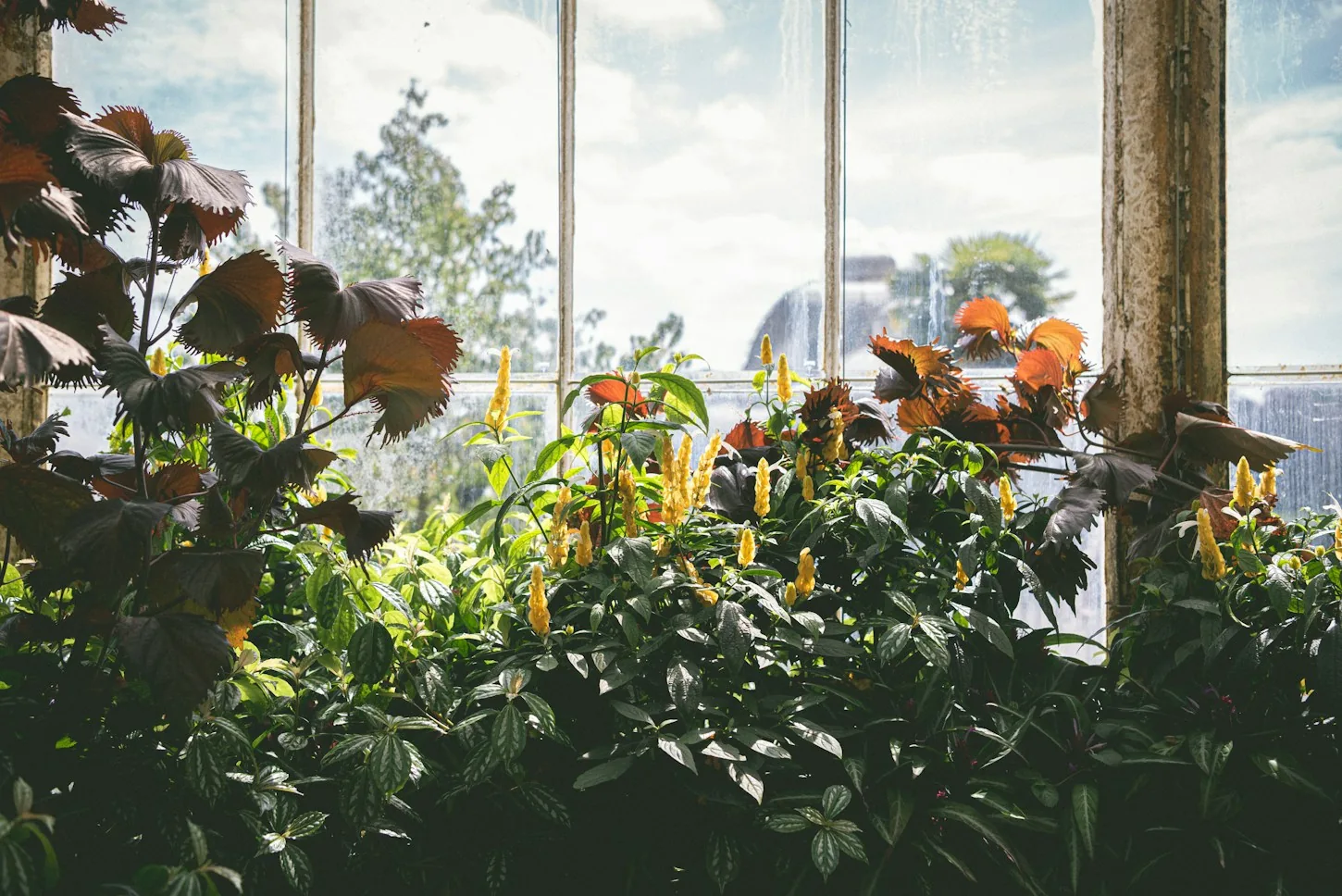
A greenhouse that learns from biology and uses engineering where it genuinely helps. That is the aim of our proposed intelligent greenhouse programme.
 LIVING SYSTEMS / HEALTHICAL
01 / INTELLIGENT GREENHOUSE CONCEPT
Our goal is not a gadget-filled greenhouse. It is a resilient, understandable system built around useful flows of energy, water, nutrients and human stewardship.
Illustrative concept only. A real system needs site energy and water budgets, safe electrical design, backup for essential loads, water-quality testing, and suitable husbandry. Wildlife ponds and aquaponics loops should not automatically share water.
SYSTEM DESIGN / NOT A FINISHED INSTALLATION
The concept is not a single sealed loop. Energy is used, water is stored and lost, and minerals move through plants and soil. Thoughtful design begins by understanding those different realities.
Solar gain and PV supply useful energy. Batteries shift when electricity is available; every conversion has losses.
Rain collection and monitored irrigation can reduce mains demand, with evaporation, overflow and crop uptake included in the design.
Composting and biofiltration can transform nutrients, but harvested food exports minerals that may need replenishing.
CONCEPTUAL PATHWAYS / A REAL SYSTEM REQUIRES SITE DATA, WATER-QUALITY SAFEGUARDS, APPROPRIATE DESIGN AND BACKUP FOR ESSENTIAL LOADS. THESE PATHWAYS ARE NOT NECESSARILY CONNECTED TO EACH OTHER.
CONCEPT / INTELLIGENT GROWING
Our proposed greenhouse combines sensors, careful water management and resilient growing methods. The aim is not automation for its own sake — it is healthier decisions and better stewardship.
Understand biological systems02 / CONCEPT MODULES
A modular research framework. None of these is a commercial product or verified autonomous installation.
Rain collection, passive season extension, soil/media beds and basic sensing.
Efficient irrigation, solar PV, modest storage and monitoring to manage useful crops.
Fish, biofiltration and crops only with rigorous welfare safeguards and backup systems.
Site-designed generation, storage and tested resilience before any autonomy claim.
One millimetre of rain over one square metre makes approximately one litre. Calculate a roof’s theoretical annual capture, then understand why storage capacity, rainfall timing and water quality matter.
Open the rainwater calculatorSMALL STEPS / REAL CARE
Start with the space, time and resources you already have.